ralf | July 15, 2014 | competition, lairs
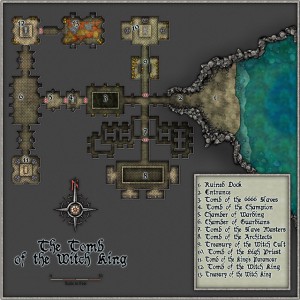 We are very happy to announce the winners of our recent “Lairs” competition. This time we asked Annual contributor and accomplished fantasy cartographer Pär Lindström to be our judge. Here’s his verdict:
I was asked by Simon to be the Judge in the latest competition (April to June 2014). I gladly accepted, and actually felt quite honoured that he asked me.
First of all I must say that I am impressed by the overall quality that the community has, and selecting one winning piece wasn’t an easy task.
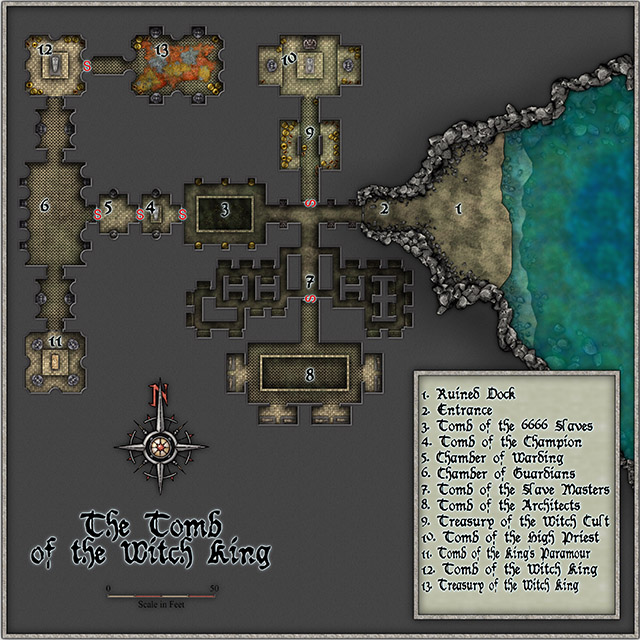
When deciding which map I thought was the best I looked for what I would have liked to see in an adventure. That didn’t really make the choice easier but after having looked at the maps for a long time there were three maps that kind of stuck out. The Tomb of the Witch-King, the Necromancer’s lair and the Troglodyte lair.
And in the end, having to choose between three very good maps, I decided for The Tomb of the Witch-King as the winner. What I really like with that map is the general layout, the flow of the map. Also the water makes a very good contrast to the rest of the map which makes it catch your eyes. When I look at it I really want to use it for my players to explore, which usually is my children, and maybe having them fight a skeleton or two.
Congratulations to our winner Gary Barker (Raiko), who receives an Unlimited Patron License, meaning he’ll be automatically getting any past and future Campaign Cartographer-related ProFantasy products for free.
And not to forget the runners up: Oliver Piotrowski (o1i) with For his Necromancer’s Lair and Flavio Hickel (anomiecoalition) with the Troglodyte Lair. They each win a $100 voucher for the ProFantasy web store.
Thanks to all participants for your amazing work!
-

-

-
Troglodyte Lair
-

-
Necromancer’s Lair
Simon Rogers | July 3, 2014 | CC3 Plus, development
Our estimate for the release of CC3+ was “in the first half of the year,” which, like many software deadlines, whizzed past at an unedifying speed. So, time for an update. We aim to release CC+ in mid August, at GenCon. Character Artist 3 purchasers entitled to a free upgrade will get an alpha version to download (optionally) before then.
First, technical stuff – the main reasons for the delay.
We want to make CC3+ as future proof as possible, and we have to keep an eye on Microsoft operating systems and development environments. In addition, Mike Riddle (the developer of the CC CAD engine) became available for a few weeks’ work. This was an umissable opportunity. So, he’s massaged the assembly code, worked around bugs in Visual Studio 2013, and even persuaded the Microsoft team to include bug fixes. It now compiles with vs2013. This doesn’t guarantee functionality with future versions of Windows, but makes it much easier to fix if there are issues. This gives Joe Slayton more tools and compilation enhancements, too.
We are moving all resources away from the program files folder and into the Windows-specified location, which is a quite a knotty problem. We are also switching from registry entries to human readable files where possible, and finalising changes to the effects architecture. We can’t update all the templates until the effects are nailed down.
The main improvements are listed here, with notes from me as to what this really means.
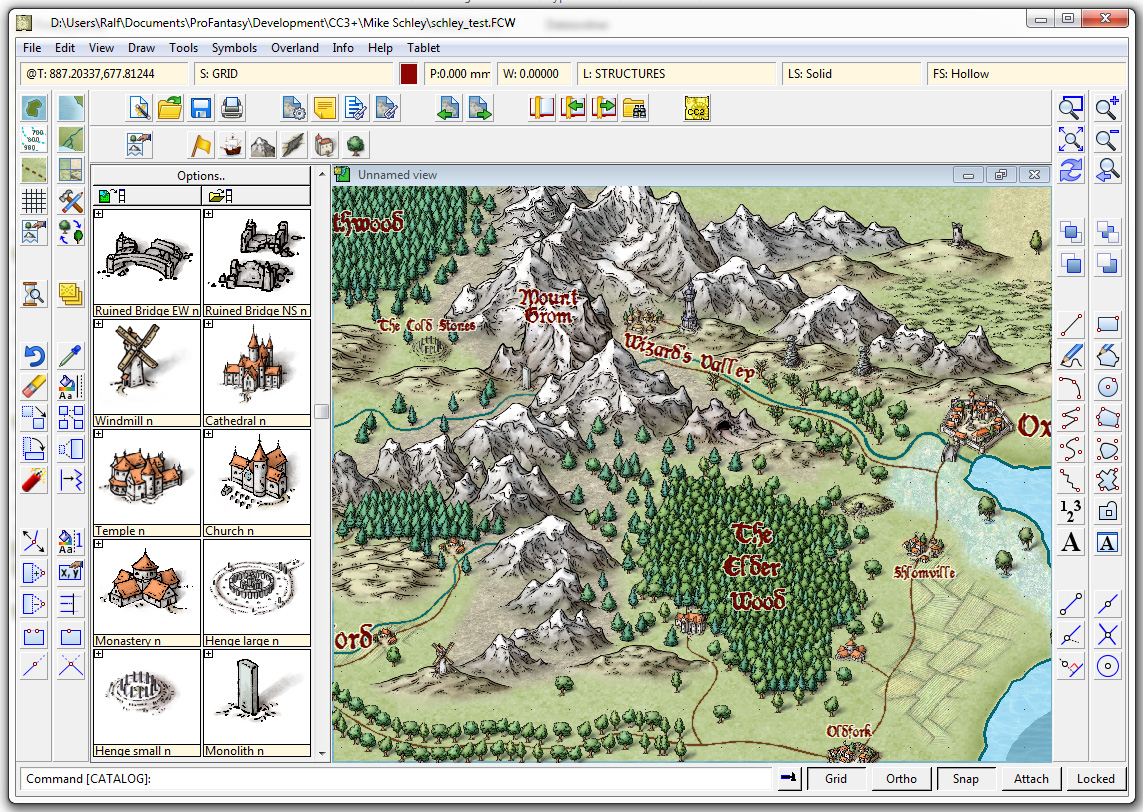
Speed: CC3+ runs twice as fast as CC3. A combination of hardware optimisation and eldritch programming sorcery means more map-making, less waiting – simple as that. [The main benefit is that you can work with effects on on most machines, most of the time. so WYSIWYG]
Style: Award-winning cartographer Mike Schley provides you with a complete new attractive map-making style. Nothing new to learn, just better looking maps. [nothing new to learn, just nicer looking maps]
Effects: You asked for PhotoShop-style effects, now you have them, with faster, better, streamlined and consistent filters your maps will look better than ever before. You can test your effects on the drawing before applying them. And, again, CC3+ is doing the work. [we’ve been inspired by map-makers such as Par Lindstrom who have created maps in CC3 then done more work in Photoshop]
Ease: A context-sensitive floating cursor lets you know what CC3+ is thinking. [I thought this would be annoying, but now it’s indispensible.]The Print Wizard makes it easy to export your maps at any scale, tiled across paper [I use this mainly with a PDF printer]. CC3+ also gives you better and cleverer editing, clearer icons, and you can drag and drop images from the internet.
Integration: CC3+ puts roads, rivers, symbols and other map-making tools up front and center right where you need them. Whatever map making style you choose, the tools you need will appear, visually, and ready to go. [We’ve added the drawing tools to the symbol catalog window, in an order which reflects your process flow. This is more intutive and speeds up map creation. It’s also easier for new map makers.]
Clarity: We’ve fixed bugs, plugged holes and cleaned up the interface. CC3+ is Windows 8 able, and it’s cleaner on the inside and outside. [CC3+ also gives us a platform to improve all the add-ons, too and release Perspectives and Dioramas, too]
24 Comments
Simon Rogers | July 3, 2014 | Annual, user maps
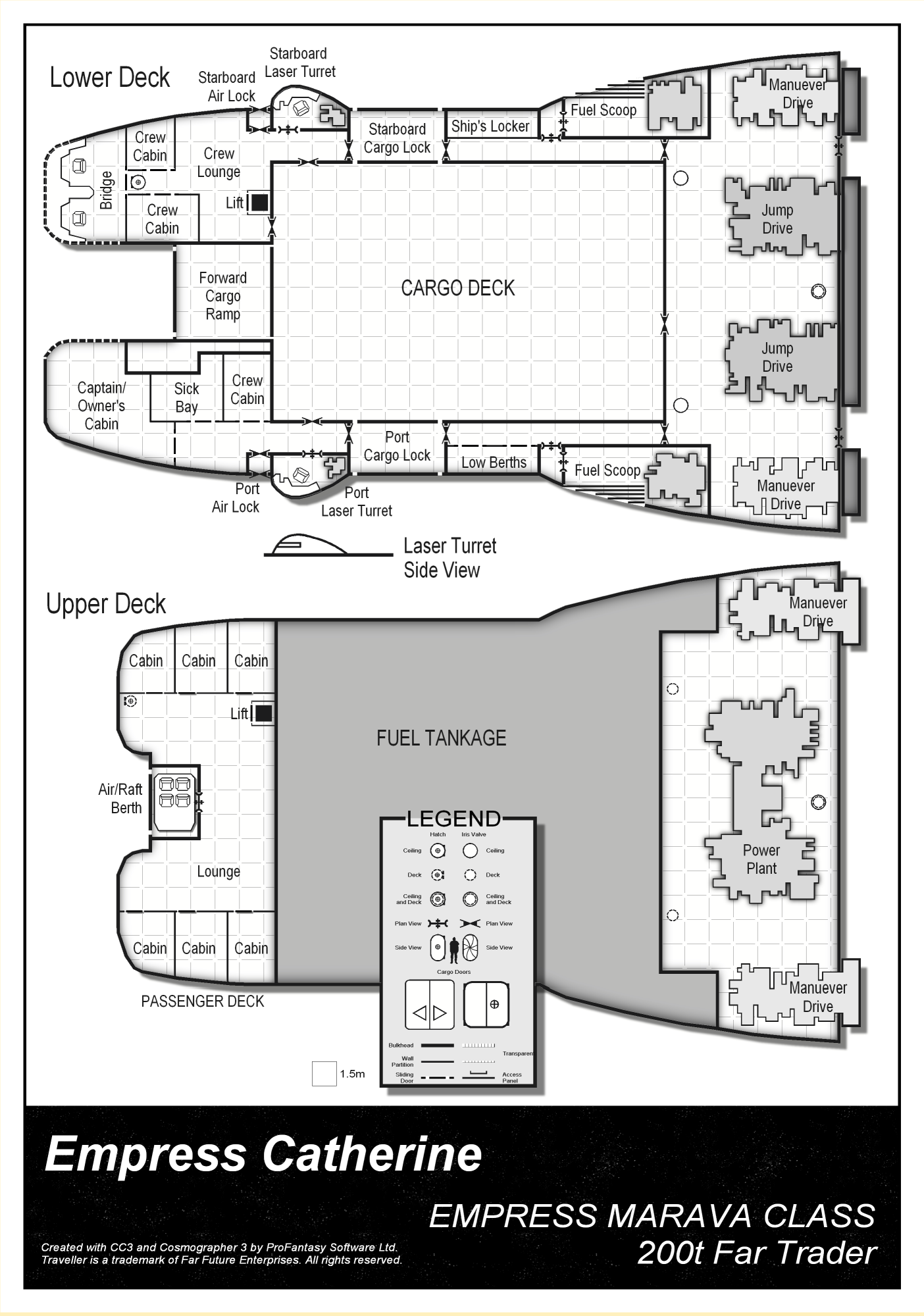
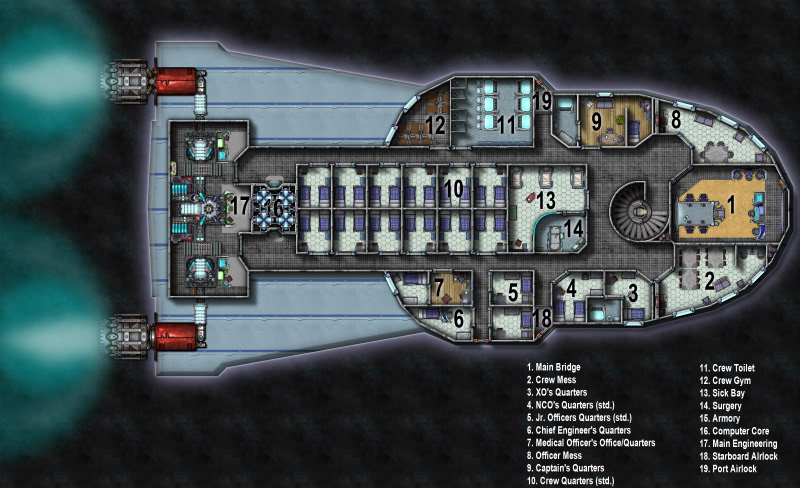
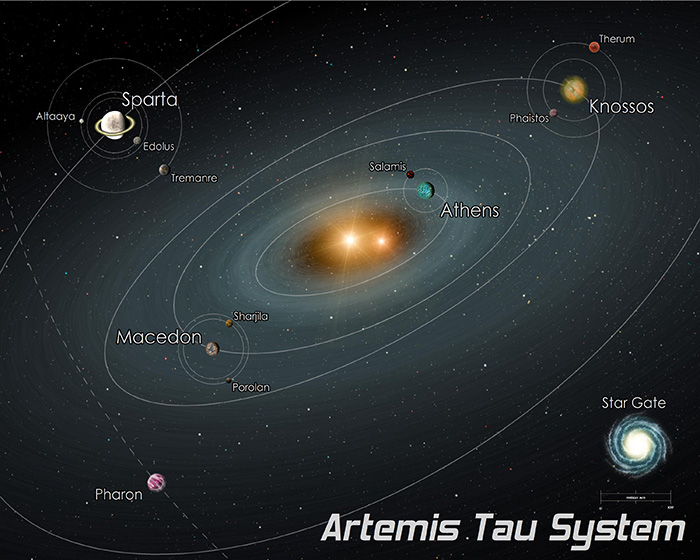
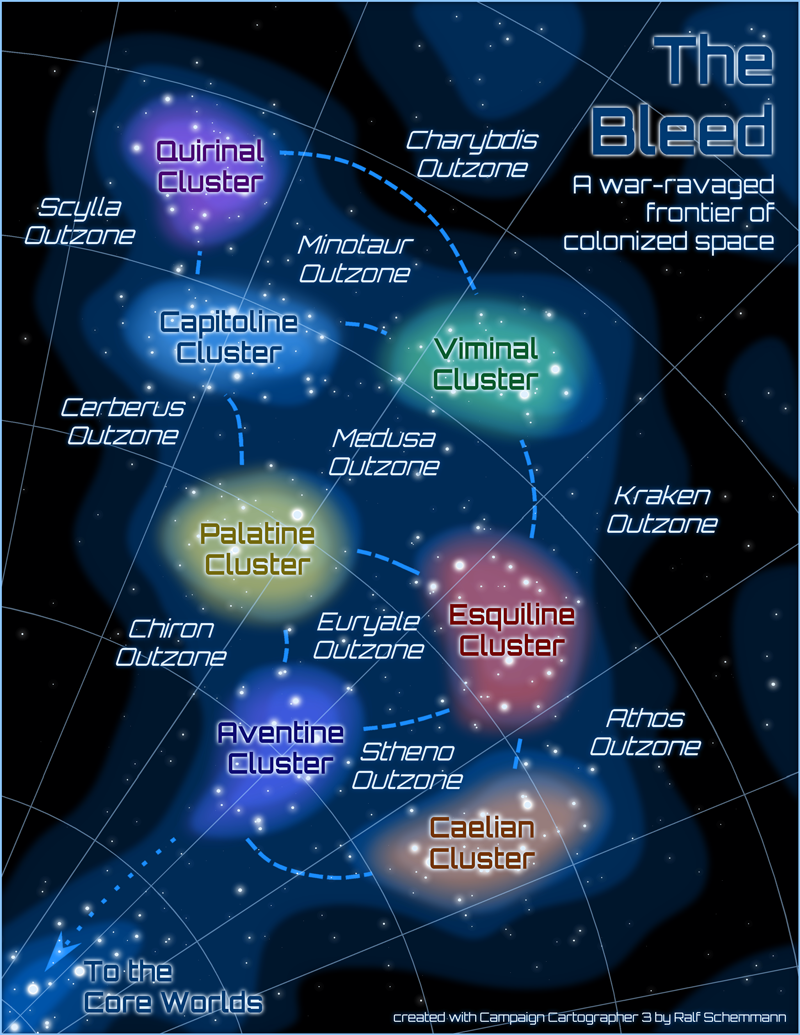
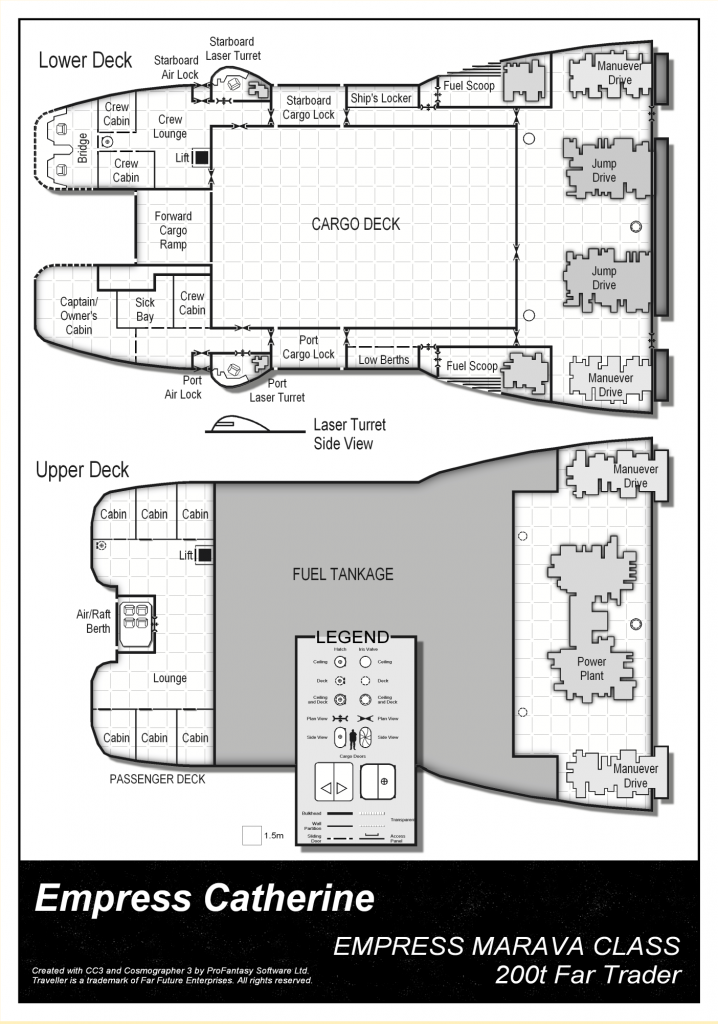
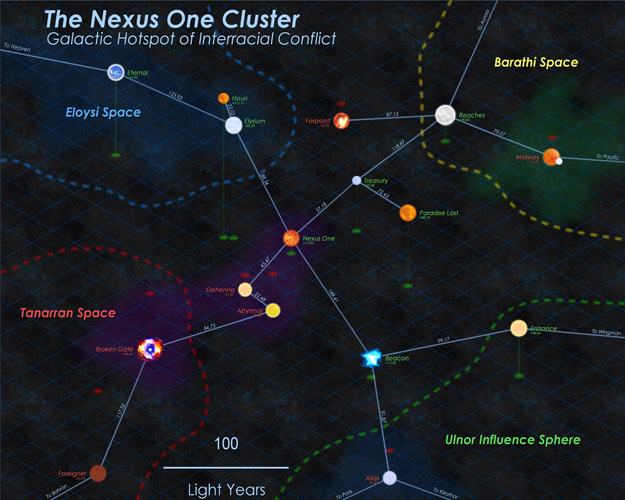
Whether you want a world overview, and solar system map, a starship deckplan, or a map of a star empire many light years across, we have the software for you. CC3 has limited SF facilities alone, though you can certainly do an old-style Traveller map, but Fractal Terrains, Cosmographer 3, symbol sets and Annuals, you have a much wider array.
This map is created with CC3 plus the August issue of the Cartographer’s Annual 2013.
 This sector map was created with Created with Cosmographer 3 and CC3 for Ashen Stars.
Created with Cosmographer 3 and CC3 for the Traveller RPG. More here.
 Created with Cosmographer 3 and CC3 for Ashen Stars
Cosmographer 3 calculates and shows 3D distances for star systems as in the small isometric sample.

Created with Cosmographer 3 and CC3
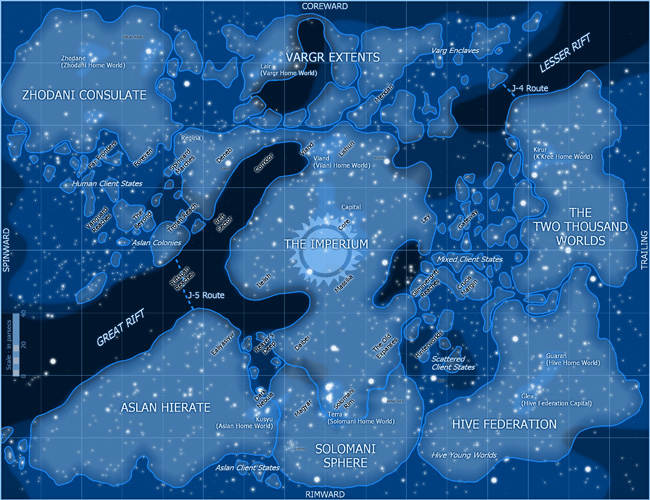
Created with Cosmographer 3 and CC3
Top down satellite cartography with CC3 and Annual 2012.
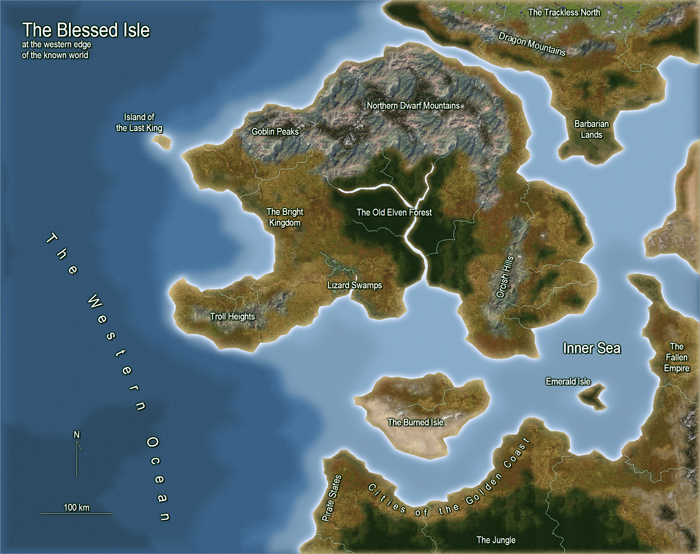
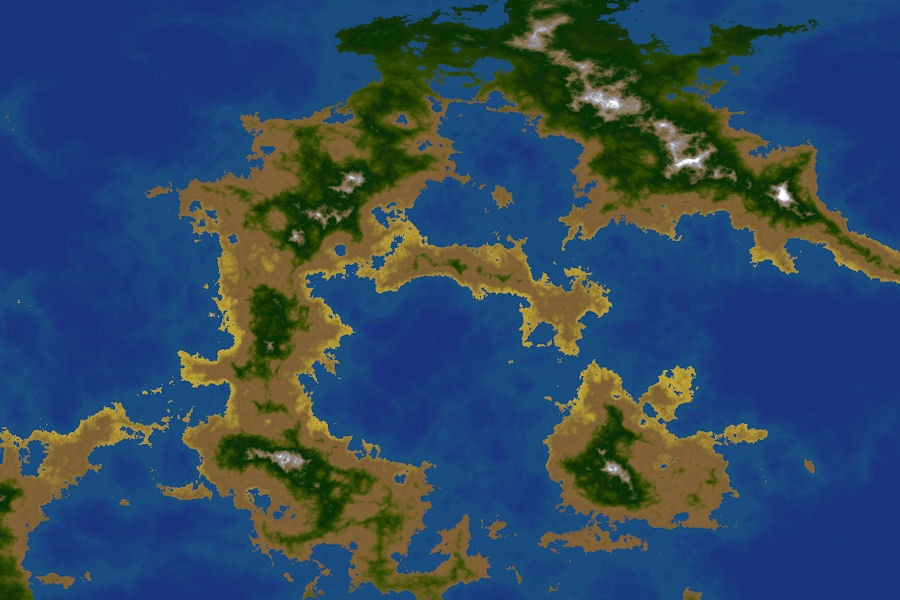
Created by forum user Micco40 in about ten minutes using FT3 and CC3.
1 Comment
Simon Rogers | June 13, 2014 | Annual, city design, examples
You can create a wide range of cities and urban areas with CC3 and its add-ons and symbol sets. This article shows you a selection, and the software you need to create them.
City Designer 3 is (unsurprisingly) the best resource for urban areas – the following examples were created with CD3.
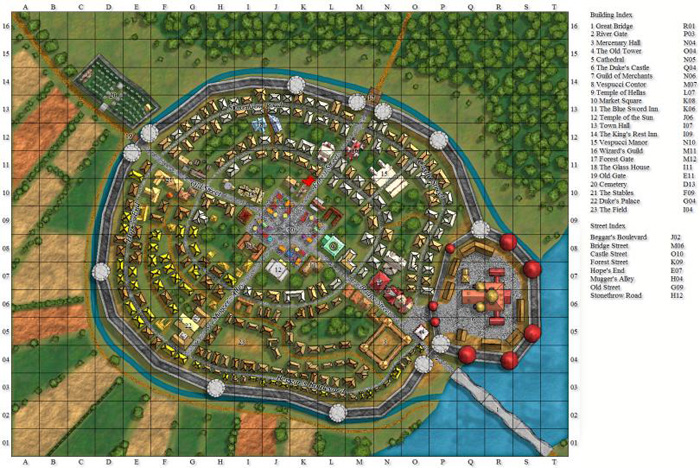
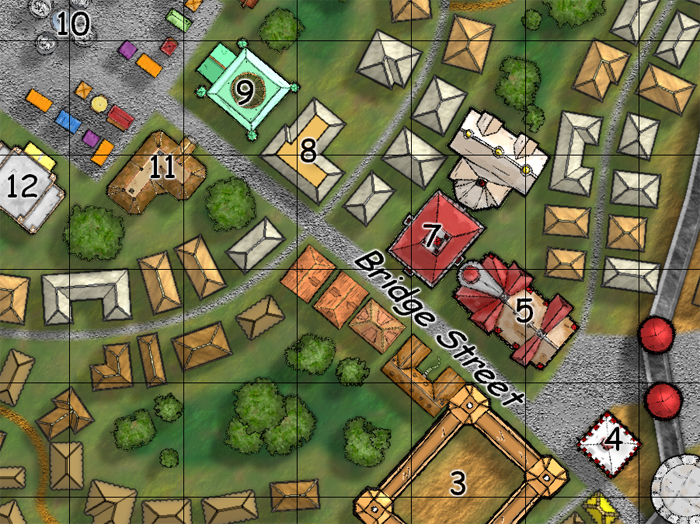
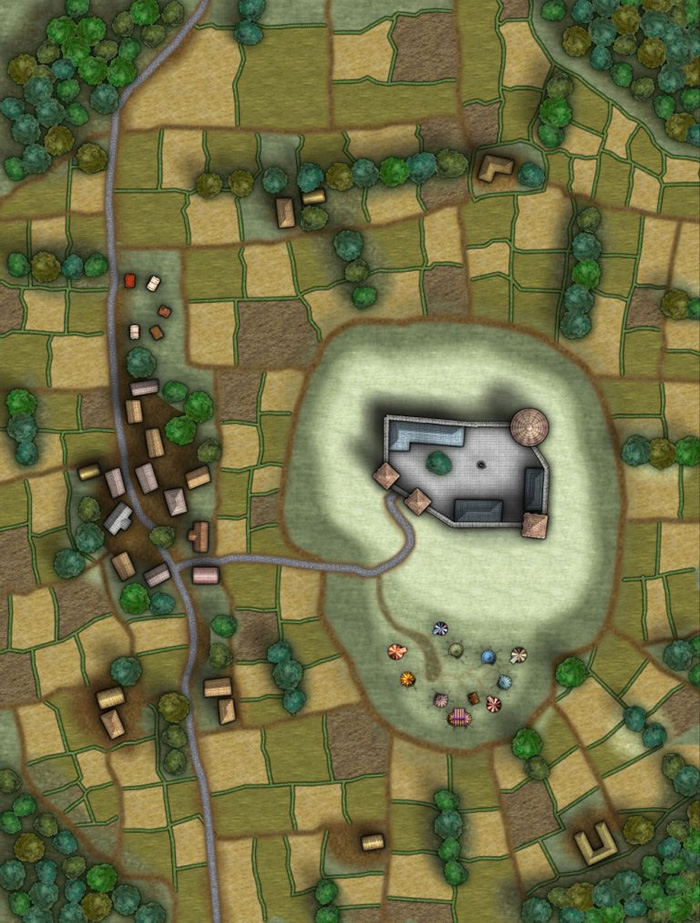
This is from the Annual Vol 5 – a 1930s style map.
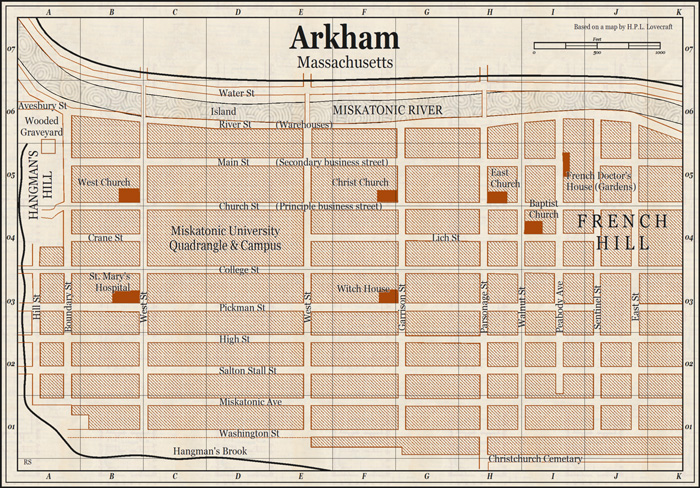
a This map was created with the black and white city style released in the Annual Vol 4
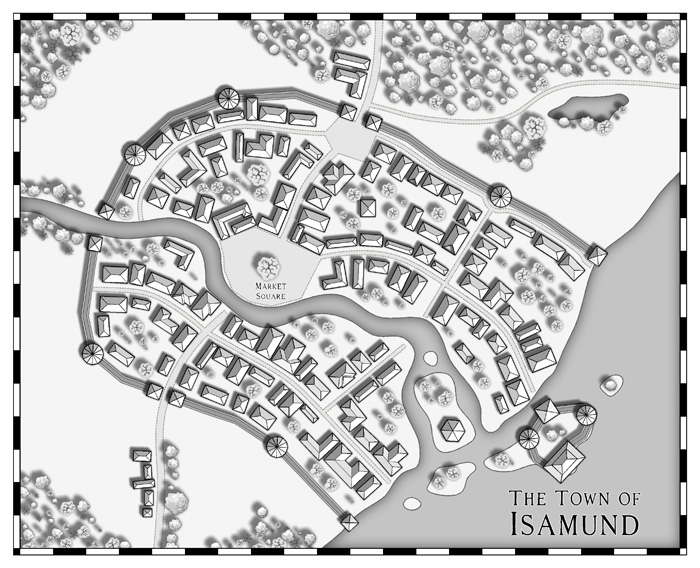
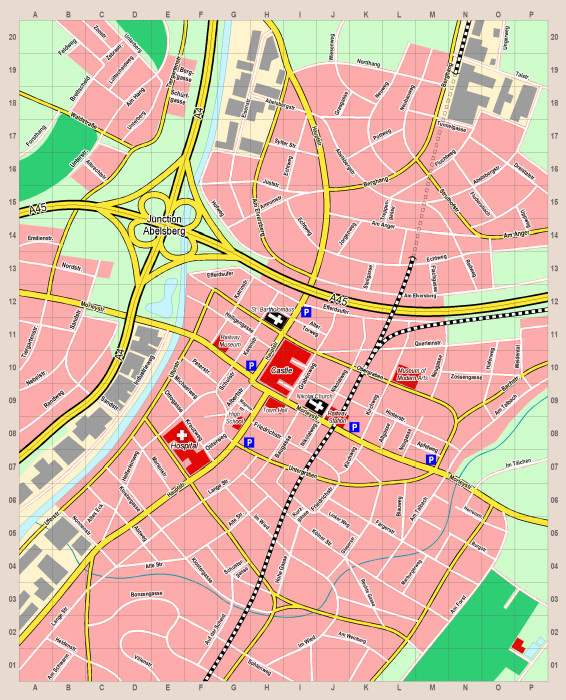
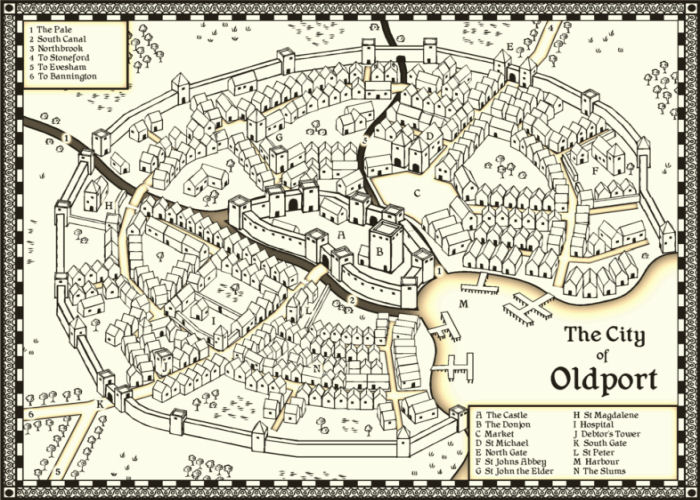
Two styles in one, here in the Annual Vol 1. One is remininiscent of 18th to 19th century maps, while the second creates the look of contemporary street maps.
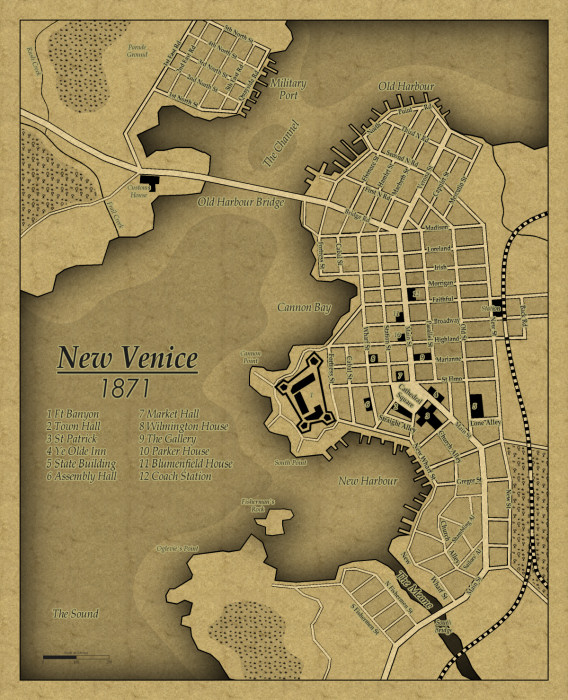
This map emulates the famous town and city maps of British cartographer John Speed (1542-1629). It was created with the John Speed City style from The Cartographer’s Annual Vol 1.
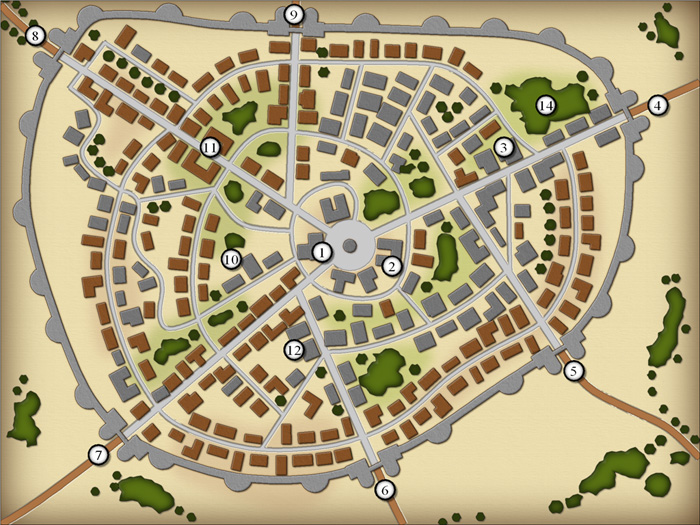
This style from the Annual Vol 3 does not require City Designer 3
Comments Off on Making City Maps with CC3
Simon Rogers | May 20, 2014 |
You can create a wide range of dungeons and floorplans with CC3 and its add-ons and symbol sets. This article shows you a selection, and the software you need to create them. Dungeon Designer 3, Symbol Set 2 and Symbol Set 4 have an extended set of dungeon symbols, the Annuals and CC3 have a more restricted selection.
While it’s featured in Cartographer’s Annual Vol 1, this inn is created with CC3 plus Dungeon Designer 3 (DD3).
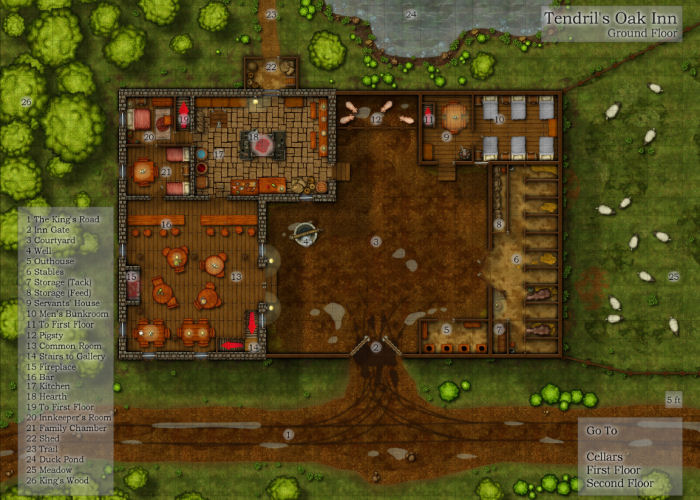
Tendrill’s Oak Inn – created with CC3 and DD3
This next four images were created with Symbol Set 2: Fantasy Floorplans plus CC3.

Temple of the Fire Demon
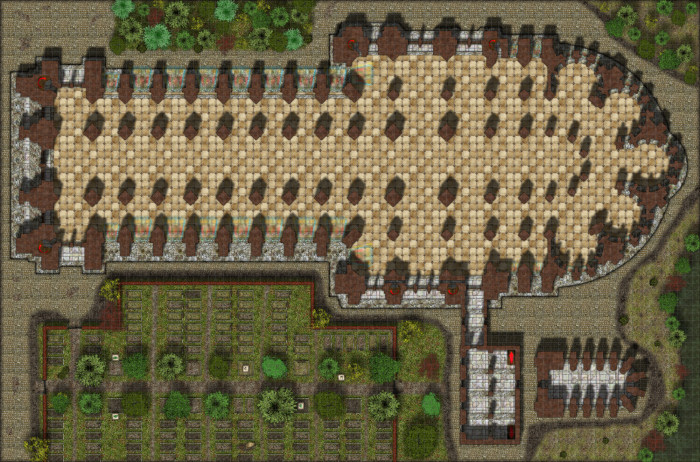
Gothic Cathedral
A close up of the cathedral.
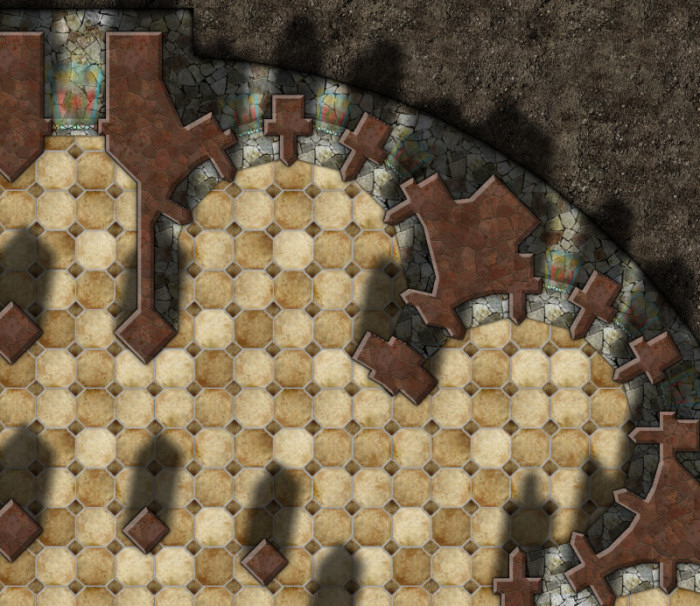
Cathedral Close-up
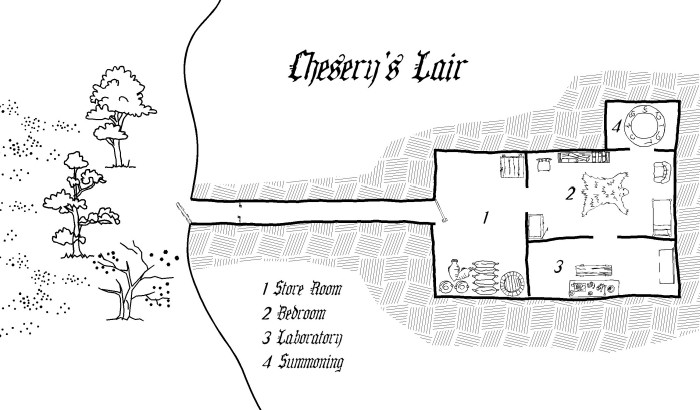
Chesery’s lair
Another black and white style created with CC3 plus Cartographer’s Annual Vol 4
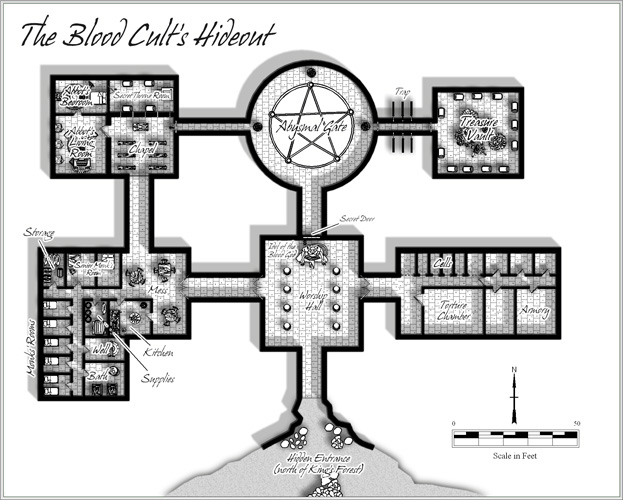
The Blood Cult’s Hideout
This map was created by master cartographer Jon Roberts using Cc3 with Cartographer’s Annual Vol 5.
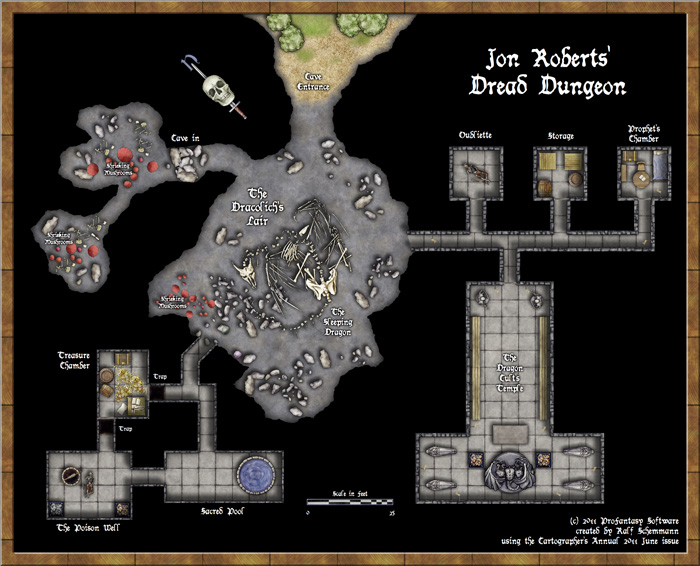
Jon Roberts Dungeons – Jon Roberts Dread Dungeon
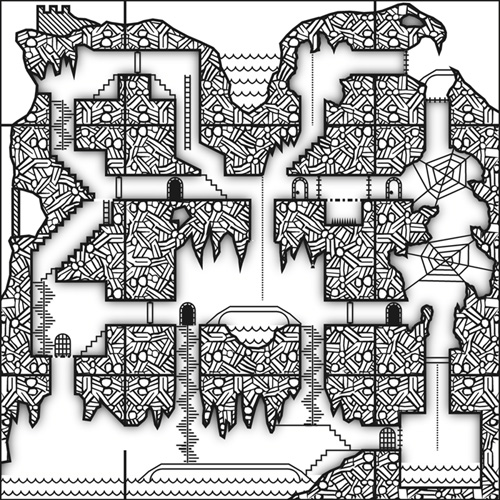
This vertical dungeon was created with Cc3 and Cartographer’s Annual Vol 5.
If you want 3D view, this amazing isometric view created by Herwin Wielink is for you.
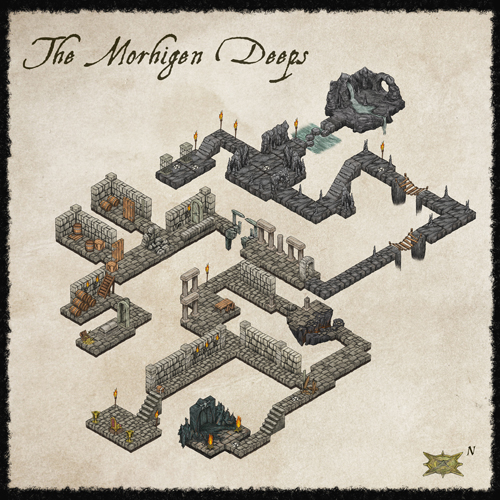
Isometric Dungeon
Here are a selection of images from our latest and greatest symbol set – Symbol Set 4: The Dungeons of Schley.
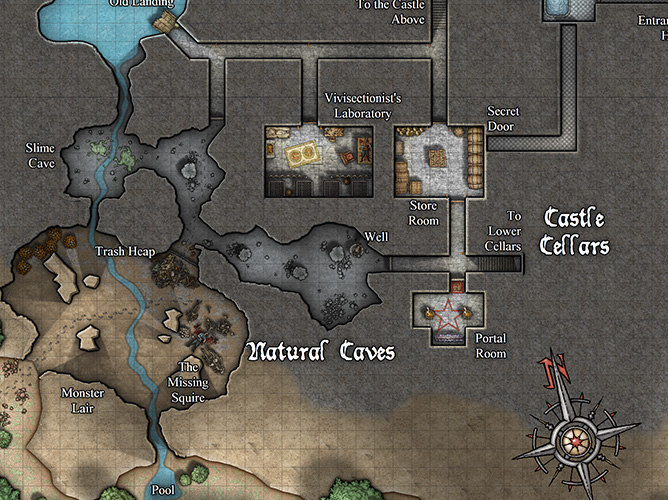
Dungeons of Schley
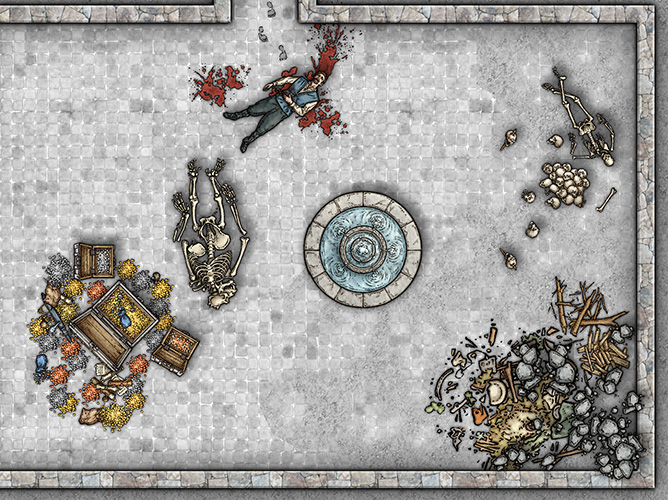
Dungeons of Schley – Detail
And finally, for that old-school look we have the The Cartographer’s Annual Vol 1 style feature in “how to create a drawing style”
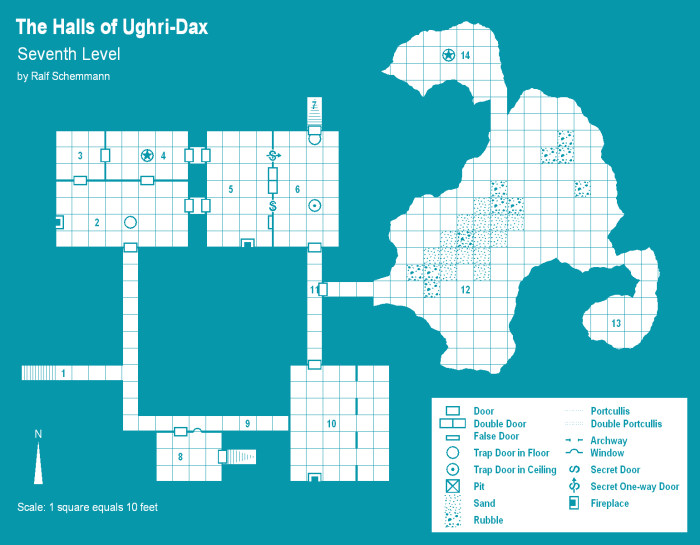
Old School Dungeon
Simon Rogers | May 19, 2014 | historical
ProFantasy’s Software allows you to create a wide array of maps in historical styles, from Mercator to medieval strip maps. This article shows examples and lets you know which software is required in addition to CC3 to create them.
If there are any historical styles you’d like us to match, let us know in the comments.
This Mercator-style map captures the flair and style of 16th and 17th century hand-coloured maps. Those centuries – the so-called “Age of Exploration” – were an era of immense European exploration and expansion and the art of cartography flourished to document and publish the newly discovered information on the shape of the world.
This map was created with the Mercator Historical Style from Annual Vol 1.

This map emulates the famous town and city maps of British cartographer John Speed (1542-1629). It was created with the John Speed City style from The Cartographer’s Annual Vol 1.
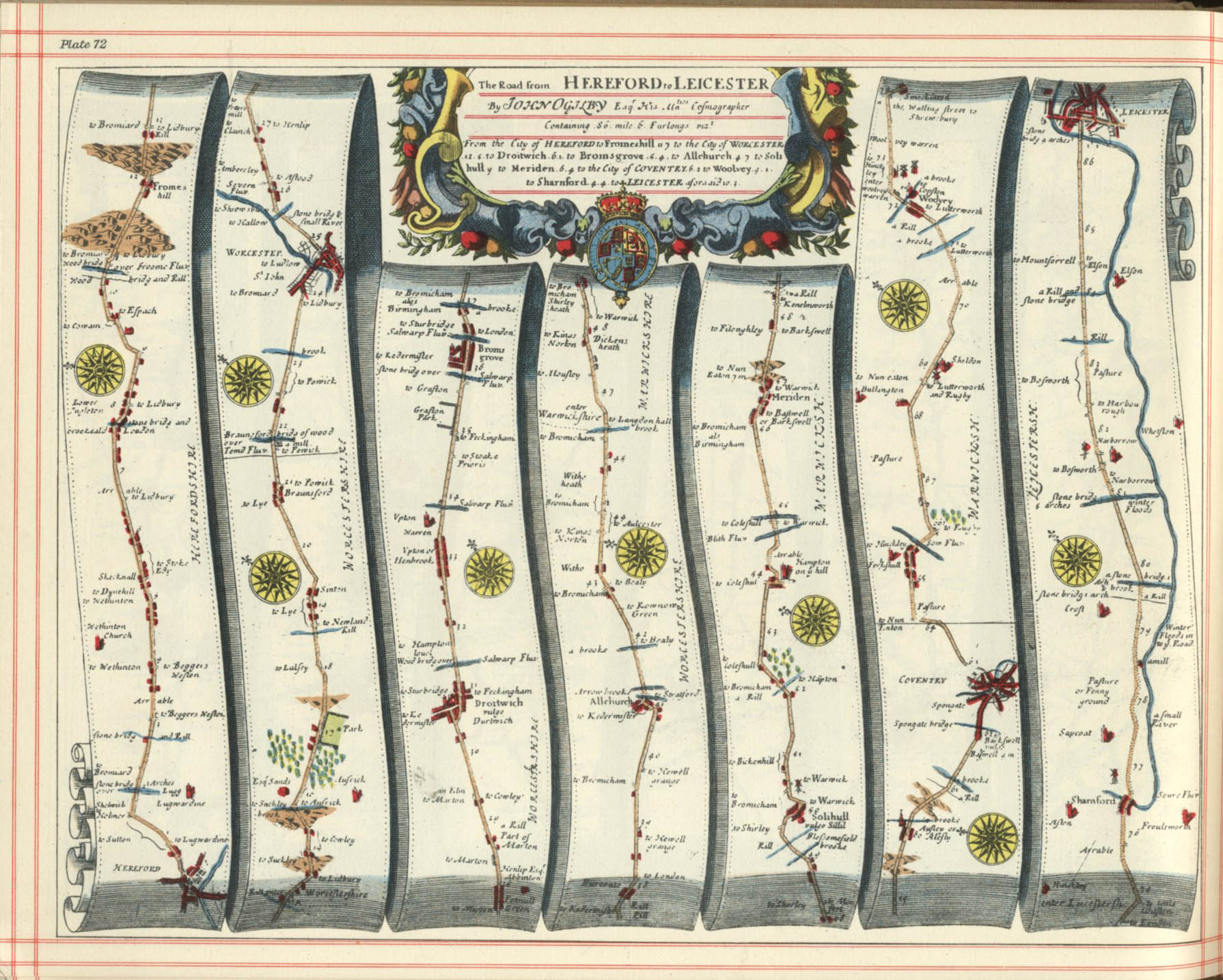
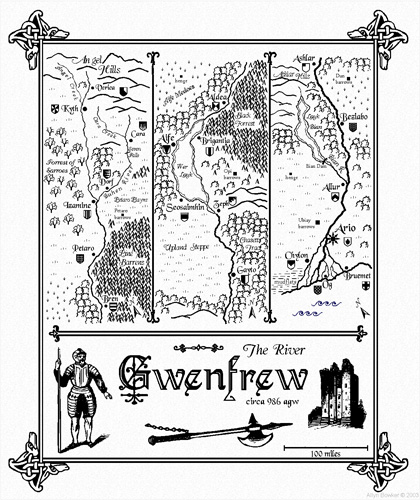
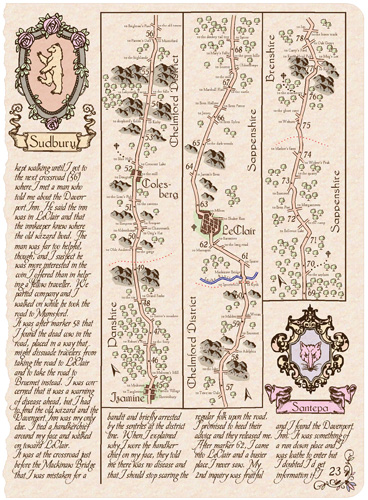
Strip maps such as those by John Ogilby are created to to chart roads and journeys, they are a perfect vehicle to convey a sense of travel and adventure for your players. These are both created using the Cartographer’s Annual Vol 3 Strip Map style.
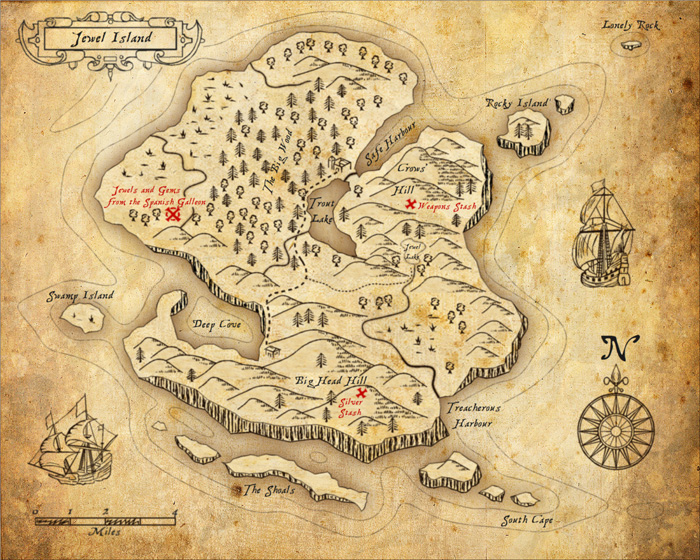
Perfect for Caribbean swashbucklers, use this style to map the hidden coves and tropical islands.
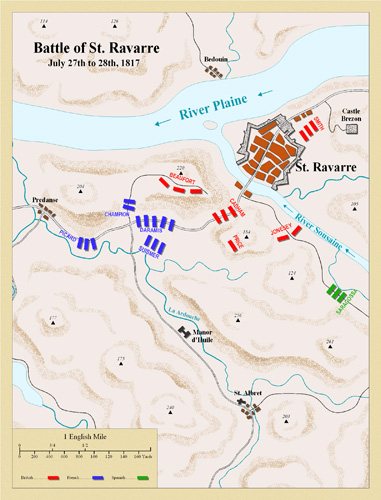
This style emulates classic deptictions of the battles fought in the Napoleonic wars of the late 18th and early 19th century. It is featured in The Cartographer’s Annual Vol 3.
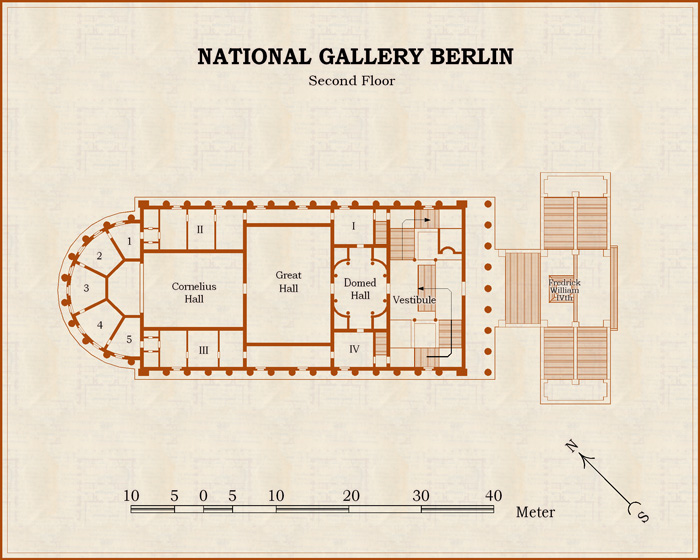
This style from the Annual Vol 5 is based on the 1920s and 1930s Baedeker guides.
Also from the Annual Vol 5 is this matching street map style.
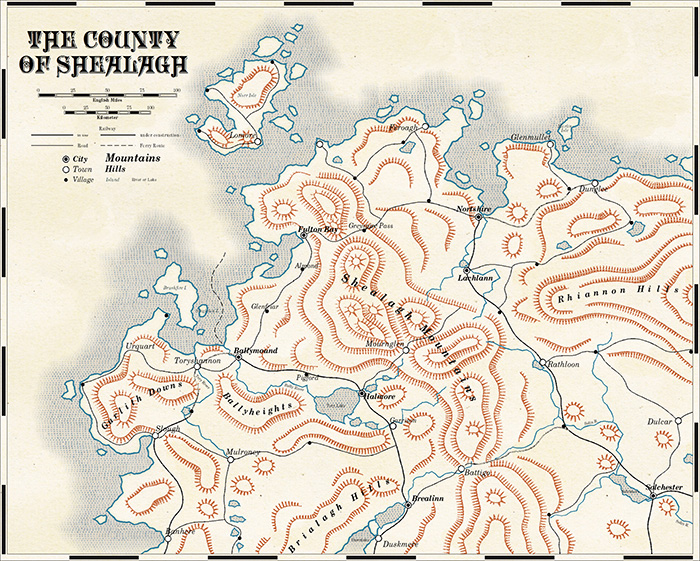
For overland maps in a 1930s style, there is this style from the Cartographer’s Annual Vol 7.
Comments Off on Historical Maps with CC3
ralf | May 1, 2014 | MonkeyBlood, overland
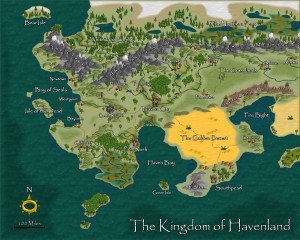 The May issue of the Annual 2014 contains an overland style by a new contributing artist: Glynn Seal of MonkeyBlood Design. We recently became aware of his beautiful Havenland set of symbols for overland maps, and luckily Glynn was more than willing to create a set for the Annual.
More than a hundred carefully crafted symbols and a complete set of bitmap textures make this style another great selection for your overland maps. As usual for the Annual, a mapping guide takes you through drawing a map in this style step by step.
The May Annual is now available from the registration page for current subscribers. If you haven’t subscribed yet, you’ll find more information on the Annual 2014 product page.
1 Comment
ralf | April 14, 2014 | books, world building
Author Nat Russo posted the following great article on “A Writer’s Journey” and graciously allowed us to repost it here. Enjoy his excellent advice and check out his book “Necromancer Awakening“.
Continue reading »
Comments Off on World Building Primer by Nat Russo
Simon Rogers | April 14, 2014 | books, overland maps
From Tolkien’s seminal Lord of the Rings, to Lord Foul’s Bane and Game of Thrones, blockbusting fantasy novels need maps you can flick back to when following the journeys of the protagonists. The Fantasy Reader blog provides an index with wide selection of examples.
Campaign Cartographer has been used to illustrate novels such as Shades of Gray by Lisanne Norman, Le Temple Des Eaux-Mortes by Eric Ferris, and Johannes Cabal the Detective by Jonathan L. Howard, and writer David Brown discusses his experience with CC3 here.
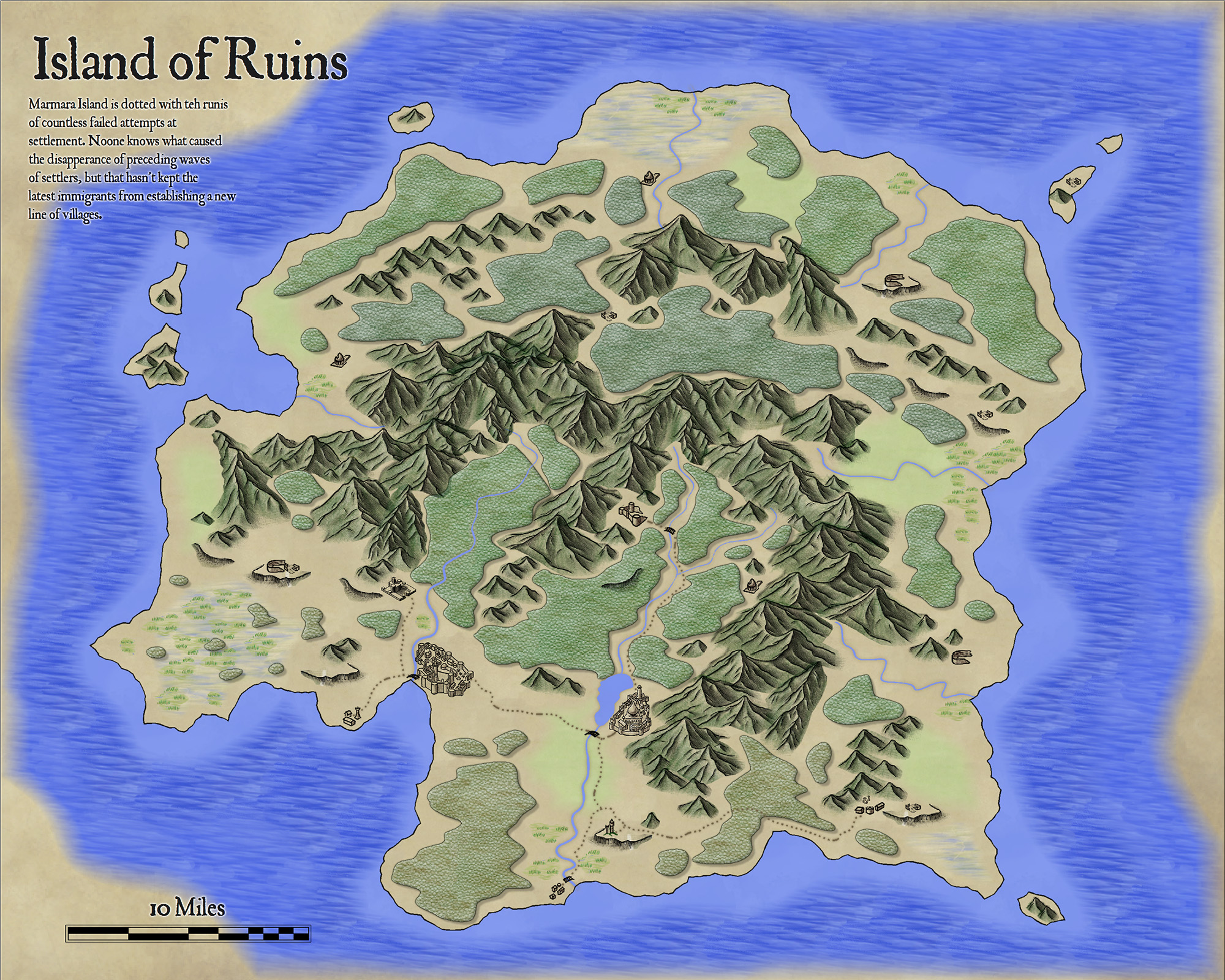
So, which are the best CC3 styles to use to sketch a world for your frontispiece? Most likely it’s black and white line are, though greyscale might work. Here are some suitable suggestions for overland maps.
This prosaically named Overland B&W style is a perfect example of a simple style with which you can create a first fantasy map, It’s very straightforward to use.
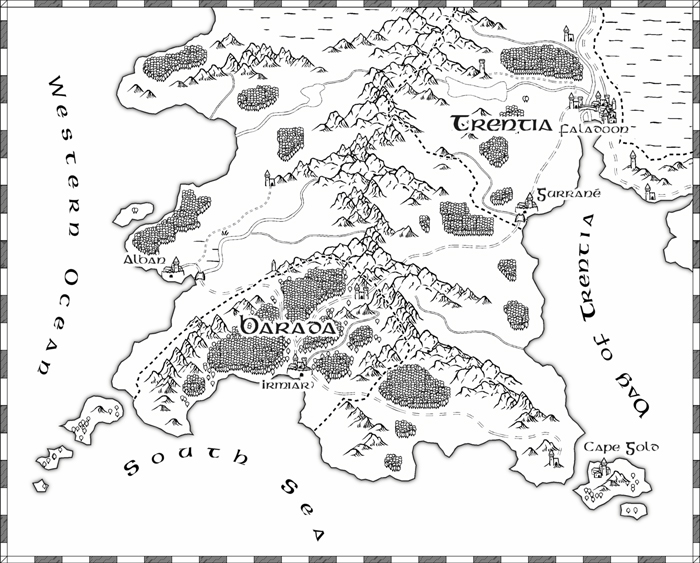
Annual 2008 Overland B&W Style
ralf | April 1, 2014 | Annual, competition
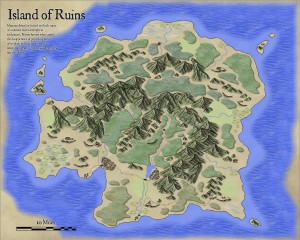
Following our map-making competition, we asked the winner Christian, whether he would allow us to transform his beautiful island map into a new style for the Annual. He happily obliged us, and the April issue is the result of that. Titled “Volcanic Islands” in honour of the competition, the style of course allows to draw all kinds of islands or regions and especially suited for small to mid-sized areas. Check out the example map on the right (click for an enlarged version).
The April Annual is now available from the registration page for current subscribers. If you haven’t subscribed yet, you’ll find more information on the Annual 2014 product page.
Comments Off on Cartographer’s Annual – April: Volcanic Islands
 We are very happy to announce the winners of our recent “Lairs” competition. This time we asked Annual contributor and accomplished fantasy cartographer Pär Lindström to be our judge. Here’s his verdict: